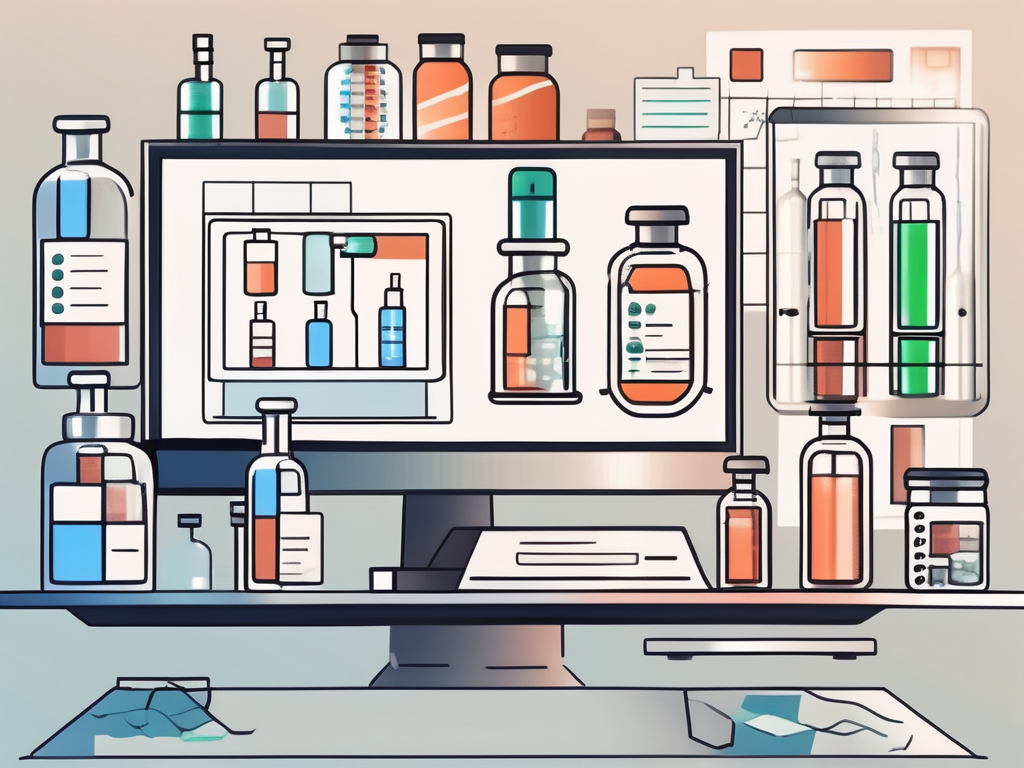
How Pharmacy Informatics Contribute to Drug Utilization Reviews
Pharmacy Informatics is a rapidly evolving field that plays a crucial role in improving drug utilization reviews. By harnessing the power of technology and data analysis, pharmacy informatics professionals enhance efficiency, ensure accuracy, and ultimately contribute to better patient care. In this article, we will explore the definition and importance of pharmacy informatics, discuss its key components, examine its role in drug utilization reviews, analyze its impact on healthcare, and delve into the future perspectives of this field.
Understanding Pharmacy Informatics
Definition and Importance of Pharmacy Informatics
Pharmacy informatics can be defined as the application of information technology and data management principles in pharmacy practice. Its importance lies in optimizing medication use, improving patient outcomes, and reducing healthcare costs. By utilizing electronic health records (EHRs), computerized physician order entry (CPOE) systems, and other digital tools, pharmacy informatics professionals ensure efficient and accurate drug utilization reviews.
Furthermore, pharmacy informatics plays a crucial role in enhancing medication safety by identifying and preventing medication errors through advanced technological solutions. This proactive approach not only safeguards patient well-being but also contributes to the overall quality of healthcare delivery. Click here for further detailed information.
Key Components of Pharmacy Informatics
Pharmacy informatics comprises several key components that work together to support drug utilization reviews. These include:
- Data Collection and Analysis: Gathering and analyzing data related to patient medication history, drug interactions, adverse reactions, and other relevant factors.
- Decision Support Systems: Utilizing computerized algorithms to provide real-time alerts and recommendations for healthcare professionals regarding drug utilization.
- Pharmacy Information Systems: Implementing comprehensive information systems that integrate various pharmacy operations, such as medication dispensing, inventory management, and patient counseling.
Moreover, pharmacy informatics also involves the utilization of predictive analytics to forecast trends in medication usage, identify potential drug shortages, and optimize inventory levels. By leveraging data-driven insights, pharmacies can streamline their operations, enhance patient care, and adapt to evolving healthcare demands with agility.
The Role of Pharmacy Informatics in Drug Utilization Reviews
Enhancing Efficiency in Drug Utilization Reviews
Pharmacy informatics significantly improves the efficiency of drug utilization reviews by automating manual processes and streamlining workflows. Through the implementation of electronic prescribing systems and automated medication reconciliation tools, healthcare professionals can quickly access critical information and make informed decisions regarding medication use.
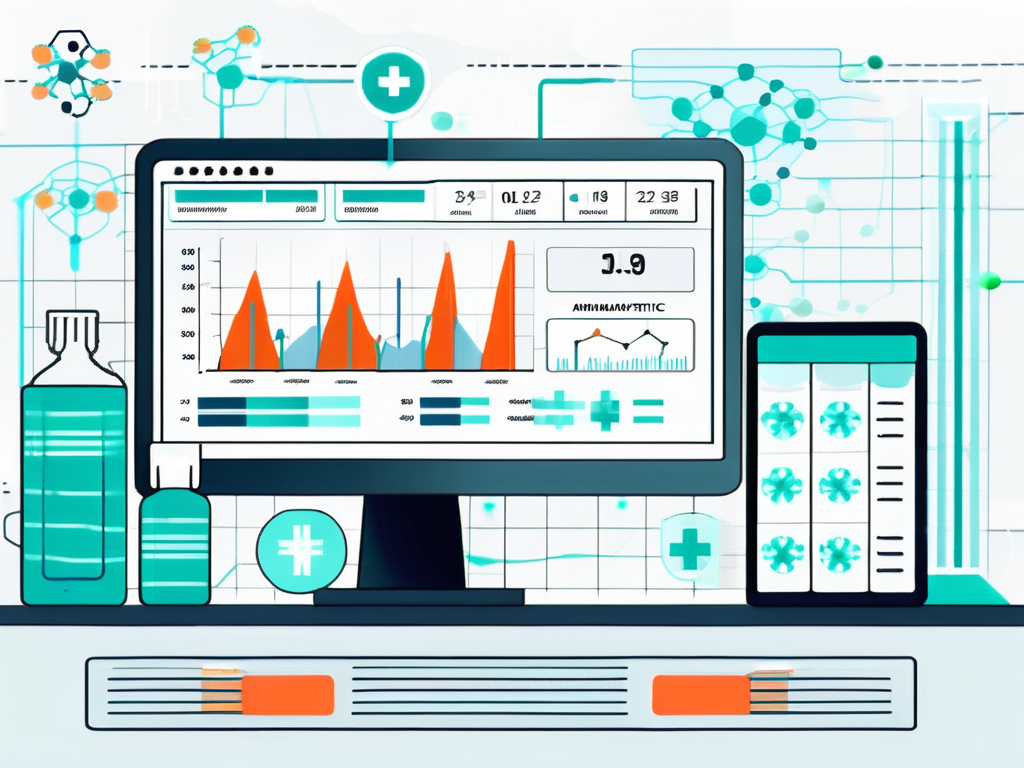
Moreover, pharmacy informatics plays a crucial role in data analysis and reporting. By collecting and analyzing data on medication utilization trends, healthcare facilities can identify opportunities for improvement and optimize medication management protocols. This data-driven approach not only enhances the efficiency of drug utilization reviews but also leads to better patient outcomes.
Ensuring Accuracy and Safety in Drug Utilization
Accuracy and patient safety are paramount in drug utilization reviews. Pharmacy informatics helps minimize medication errors and adverse drug events by providing alerts for potential drug interactions, allergies, and contraindications. By integrating evidence-based guidelines and clinical decision support systems, pharmacy informatics professionals ensure that medication use is appropriate and safe for each patient.
Furthermore, pharmacy informatics enables real-time monitoring of medication adherence and patient outcomes. By tracking medication adherence rates and analyzing patient responses to treatment, healthcare providers can tailor interventions to improve medication compliance and effectiveness. This proactive approach to drug utilization reviews not only enhances accuracy and safety but also fosters a patient-centered care environment.
The Impact of Pharmacy Informatics on Healthcare
Improving Patient Care through Pharmacy Informatics
Pharmacy informatics has a profound impact on patient care. By facilitating medication reconciliation, enabling comprehensive medication therapy management, and promoting adherence to treatment plans, pharmacy informatics contributes to improved patient outcomes. Moreover, it enhances communication and collaboration among healthcare providers, leading to better coordination of care.
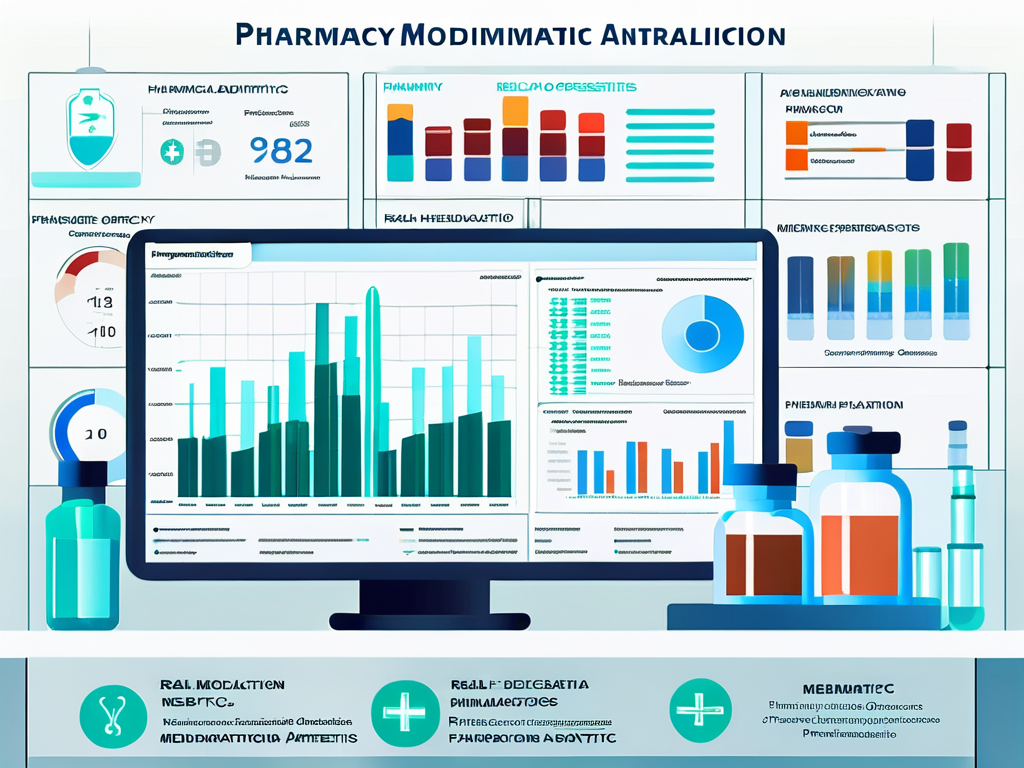
One key aspect of pharmacy informatics is its role in enhancing medication safety. Through the implementation of electronic prescribing systems and medication error detection algorithms, pharmacy informatics helps prevent adverse drug events and medication-related harm. This proactive approach to medication management not only improves patient safety but also reduces the likelihood of costly medical interventions due to medication errors.
Pharmacy Informatics and Healthcare Cost Reduction
In addition to improving patient care, pharmacy informatics also plays a role in reducing healthcare costs. By identifying opportunities for generic substitutions, optimizing medication dosages, and minimizing medication waste, pharmacy informatics professionals help healthcare organizations achieve cost savings. Furthermore, through data analysis and performance monitoring, pharmacy informatics identifies areas for process improvement and resource allocation.
Another significant way pharmacy informatics contributes to cost reduction is through the implementation of medication adherence programs. By utilizing technology to track patient adherence to medication regimens, pharmacy informatics professionals can intervene early to address non-adherence issues. This proactive approach not only improves patient outcomes but also reduces the economic burden of preventable disease progression and hospitalizations.
Future Perspectives of Pharmacy Informatics in Drug Utilization Reviews
Emerging Trends in Pharmacy Informatics
The field of pharmacy informatics is constantly evolving, driven by advancements in technology and changes in healthcare delivery. Emerging trends include the integration of artificial intelligence and machine learning algorithms into decision support systems, the utilization of telepharmacy services for remote medication review, and the development of interoperability standards to enable seamless information exchange among disparate systems.
Challenges and Opportunities for Pharmacy Informatics
While pharmacy informatics holds great promise, it also faces challenges. Ensuring data security and privacy, addressing interoperability issues, and promoting user adoption of new technologies are among the key challenges. However, these challenges present opportunities for collaboration among healthcare professionals, informatics experts, and technology developers to overcome barriers and unlock the full potential of pharmacy informatics in drug utilization reviews.
In addition to the emerging trends and challenges, there are several other factors that will shape the future of pharmacy informatics in drug utilization reviews. One such factor is the increasing focus on personalized medicine. With advancements in genomics and precision medicine, pharmacy informatics will play a crucial role in tailoring medication regimens to individual patients based on their genetic makeup and specific health conditions.
Furthermore, the rise of big data analytics in healthcare will have a significant impact on pharmacy informatics. By leveraging large datasets, pharmacy informatics can provide valuable insights into drug utilization patterns, identify potential drug interactions, and optimize medication therapy for improved patient outcomes. This data-driven approach will revolutionize the way drug utilization reviews are conducted, leading to more effective and efficient medication management.
As the field of pharmacy informatics continues to evolve, it is important to consider the ethical implications of these advancements. The use of artificial intelligence and machine learning algorithms raises questions about the responsibility and accountability of decision-making systems. Ensuring transparency and fairness in algorithmic decision-making will be crucial to maintain trust and confidence in pharmacy informatics.
In conclusion, pharmacy informatics is a dynamic field that plays a vital role in drug utilization reviews. By harnessing the power of technology, pharmacy informatics enhances efficiency, ensures accuracy and safety, improves patient care, and contributes to healthcare cost reduction. As emerging trends, challenges, and ethical considerations shape the future of pharmacy informatics, its impact on drug utilization reviews is expected to grow, leading to further advancements in healthcare delivery and improved patient outcomes.
-
Mon9:00am–10:00pm
-
Tue9:00am–10:00pm
-
Wed9:00am–10:00pm
-
Thu9:00am–10:00pm
-
Fri9:00am–10:00pm
-
Sat9:00am–6:00pm
-
Sun9:00am–12:00pm